Verdict
No. There is no evidence to suggest that renewable technology on farms poses a contamination risk to livestock or food production.
Analysis
As the world transitions to renewable energy sources such as solar, wind, and battery storage, questions have been raised by industry groups and the media about potential impacts on agricultural land – particularly the risk of soil and water contamination.
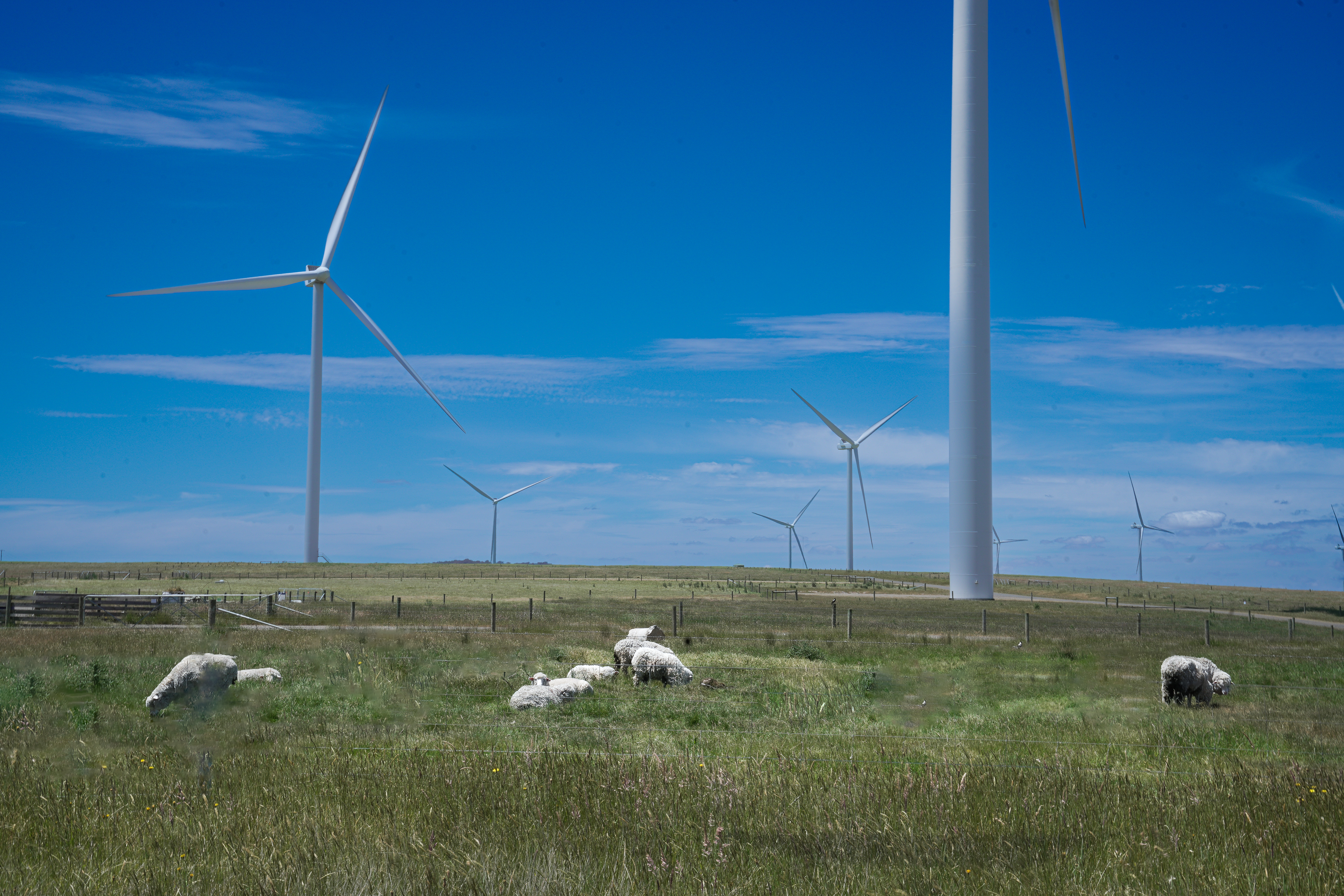
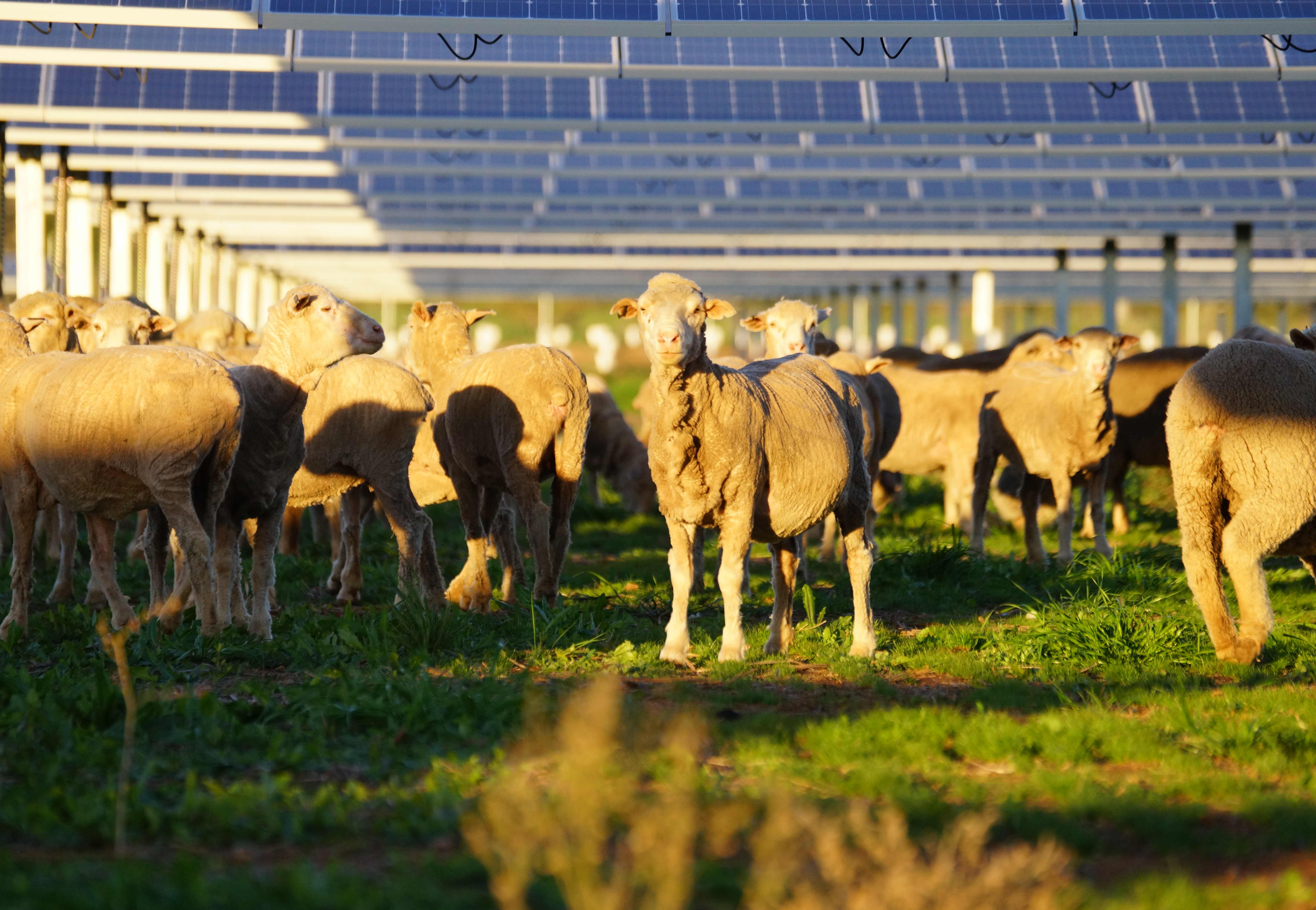
These concerns have been addressed in recent guidance from the Livestock Production Assurance program, which confirms it is safe for livestock to graze in paddocks containing solar panels and wind turbines. The guidance notes that producers should remain aware of potential risks when equipment reaches the end of its life cycle and consider appropriate risk mitigations1.
This position is supported by research showing little to no evidence that renewable energy infrastructure poses a contamination risk to livestock or food production when co-located with farmland and maintained effectively.
Solar panels
Almost all solar panels used in Australia today do not pose a contamination risk.
Most solar panels are made of glass, aluminium, polymers, monocrystalline silicon and less than 1% is copper, silver and tin and lead. The chemical layer of a solar panel is typically around 3% of the thickness of a human hair and is sealed between two sheets of heat-strengthened glass that are bonded together by an industrial laminate. It means that under normal operating conditions, there is very minimal risk of leaching2.
The US Environmental Protection Agency (EPA) conducted testing to assess the potential for chemical leaching from solar panels, even under extreme conditions, such as being destroyed or submerged in acid, and found that solar panels typically do not leach hazardous levels of toxins.
The International Energy Agency studied the risk to human health from heavy metals leaching out of solar panels and reported that it was below US screening levels, while water contamination levels were within the guidelines set by the World Health Organisation. The only potential concerns are the trace amounts of lead in the material used to join the panels together3. Many manufacturers are seeking to adopt lead-free solders.
However, there is a risk if solar panels are not disposed of properly. About 90-95 per cent of panels commonly used in Australia, either on homes or in large-scale solar farms, can be recycled. The current challenge in Australia is a lack of facilities that recycle solar panels to maximise the amount of materials being repurposed. All solar panels have been declared hazardous e-waste in Victoria4 and have been banned from landfill, encouraging the establishment of a recycling industry in Australia5.
Wind turbines
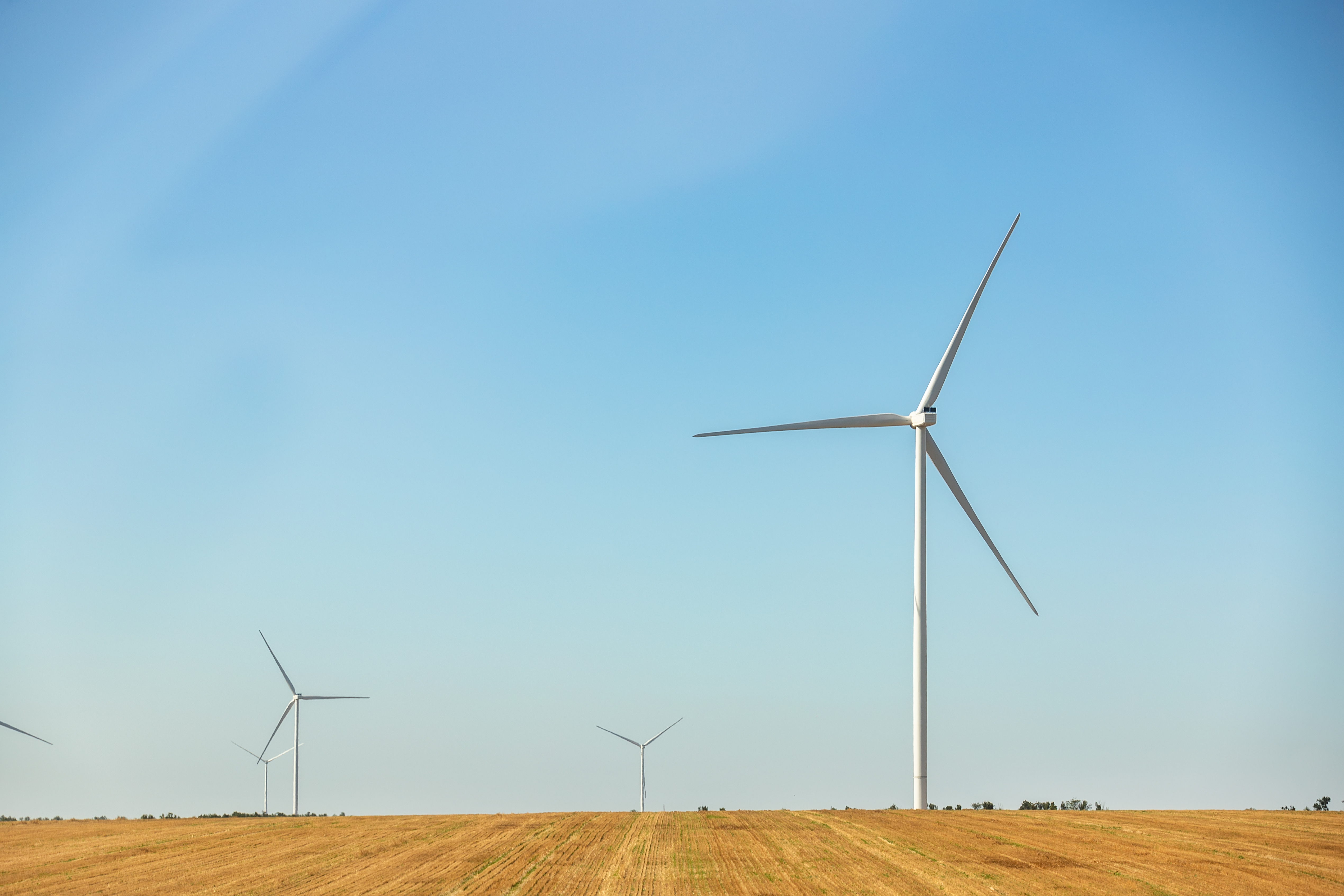
There is little evidence that wind turbines pose a contamination risk to livestock or other agricultural production. Three things pose minor risks – operational oils and fluids, microplastics from the blades and poor disposal.
Wind turbines are made of steel, fibreglass, and different compositions of fibres and polymers. While wind turbines contain lubricating oils and hydraulic fluids essential for their operation, the risk of oil leakage during normal operation is relatively low and is typically managed through regular maintenance.
The weight of a turbine blade can vary significantly, but typically weighs between 20 and 50 tonnes6. Annually, approximately 30 to 540 grams per blade will degenerate7. The damage typically happens on the edge when cutting through heavy rain or hail. Degradation of the blade decreases the performance of a turbine, so there is an economic incentive for manufacturers to innovate and reduce the risk of this happening.
Wind turbine blades have a lifespan of approximately 18 to 25 years8. Disposing of these large structures can pose challenges at the end of their life. Traditional landfilling methods are not sustainable due to the size of turbines. About 90% of components can be recycled, by repurposing, shredding and chemical recycling the different components. Work is underway to scale up technologies and the recycling industry in Australia is still in its development stage. If not properly disposed of, there is a risk that they could leach small amounts of microplastics or resin breakdown products; however, these risks are considered low.
Conclusion
While renewable energy technologies offer significant benefits in reducing greenhouse gas emissions. When operating, solar panels, wind turbines and batteries pose minimal risks of chemical leaching, and there is no evidence that they impact cattle or other farm production.
References
1 – Integrity Systems Company 2024, Self-Assessment, Livestock Production Assurance, Integrity Systems Website, viewed 24 September 2025, https://www.integritysystems.com.au/livestock-production-assurance/tools-and-services/self-assessment/?a=276258.
2 – Jin Il Kwak, Sun-Hwa Nam, Lia Kim, and Youn-Joo An, “Potential Environmental Risk of Solar Cells: Current Knowledge and Future Challenges,” Journal of Hazardous Materials 392 (2020): 122297, https://doi.org/10.1016/j.jhazmat.2020.122297.
3 – Clean Energy Council. Solar Panel Toxicity. URL: https://cleanenergycouncil.org.au/for-consumers/fact-sheets/environment-and-planning-get-the-facts/solar-panels-toxicity-myth
4 – Victorian Government. Managing end of life solar. URL: https://www.solar.vic.gov.au/manage-end-life-solar-pv
5 – International Energy Agency. Human Health Risk Assessment Methods for PV Part 3: Module Disposal Risks. URL: Human Health Risk Assessment Methods for PV Part 3: Module Disposal Risks – IEA-PVPS
6 – Verma, A.S., Yan, J., Hu, W., Jiang, Z., Shi, W. and Teuwen, J.J.E., (2023). A review of impact loads on composite wind turbine blades: Impact threats and classification. Renewable and Sustainable Energy Reviews, 178, p.113261. https://doi.org/10.1016/j.rser.2023.113261
7 – Microplastics Emission from Eroding Wind Turbine Blades: Preliminary Estimations of Volume – (PDF) Microplastics Emission from Eroding Wind Turbine Blades: Preliminary Estimations of Volume
8 – Jasińska, D., & Dutkiewicz, M. (2025). Waste management of wind turbine Blades—A review of recycling methods and applications in cementitious composites. Sustainability, 17(3), 805. doi:https://doi.org/10.3390/su17030805