Verdict
No. Gas powered electricity generation is always likely to be more expensive than renewables, no matter how much additional gas is produced, electricity will not be cheaper.
Analysis
Some people have called for the eastern Australian gas market to be “flooded with gas” and for the introduction of renewables to be slowed down to help lower electricity prices.
There are two factors that need to be considered:
- Slowing down or limiting the amount of renewable energy in the National Energy Market.
- Introducing more gas into the National Energy Market.
While these factors are interconnected, it’s helpful to understand each separately to think about why flooding the market with gas and capping renewables will not result in cheaper electricity.
Let’s start with the National Electricity Market
To understand why more gas won’t equal lower prices, we need to start by understanding the National Electricity Market (NEM). The NEM operates like a stock market, but companies buy and sell electricity instead of selling and buying shares. Power generators produce electricity and sell it to retailers, who sell it to their customers.
Like the stock market, electricity prices fluctuate depending on how much is available and how much we need.
The Australian Energy Market Operator, which runs the NEM, ensures that electricity gets to where it’s needed at the lowest possible price, subject to keeping the grid safe and secure. The NEM covers most of Australia, except WA and the NT.
Capping renewables
Traditionally, coal and gas supplied most of the electricity in the NEM. But now wind, solar, and batteries are playing a bigger role.
Renewable sources can generate electricity at lower prices than fossil fuels1.
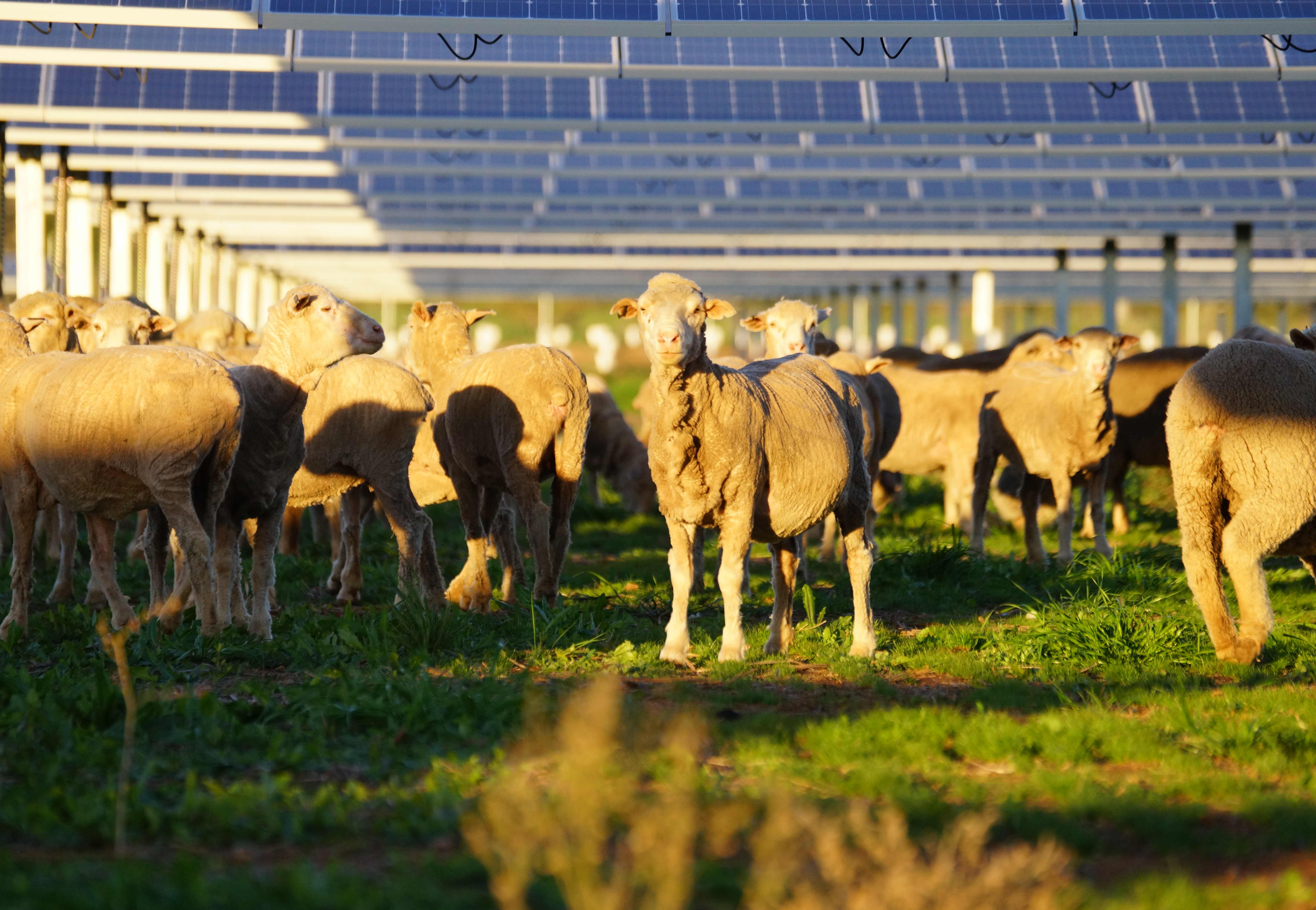
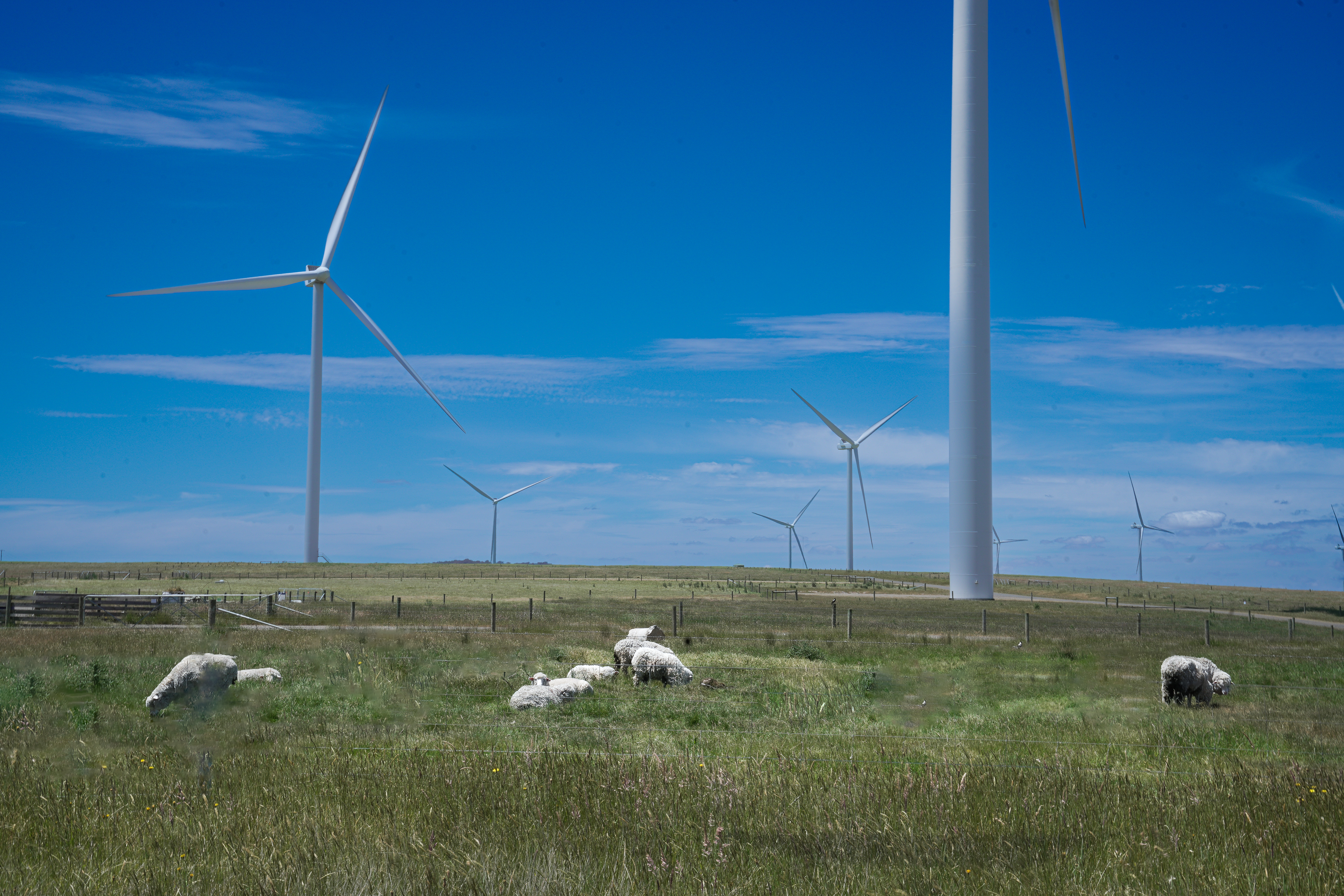
Electricity from renewable sources is usually the cheapest and therefore tends to be used first in the NEM. This sets the marginal price at a low level, helping to keep wholesale prices as low as possible. If renewable energy production were slowed down or stopped, this would result in higher wholesale prices as more expensive types of generation would need to be turned on, setting a higher marginal price. Relying on more expensive fossil fuel-produced electricity therefore increases the wholesale price, which in turn impacts customer bills.
It is important to note that wholesale electricity costs are only one part of a final customer bill2. Your bill also includes network costs, federal and state green schemes, retailer service charges, and other market costs. However, wholesale costs are an important component, making up 30%-40% of the final retail bill.i
A report from global engineering and professional services firm Jacobs3 found that if Australia slowed down the pace of building new renewable energy projects, wholesale prices would increase markedly. This would increase household energy bills by 30 per cent (41 per cent more expensive for small businesses) in 2030.
So, limiting the amount or stopping the build of new renewables would not reduce household electricity prices. In fact, it would increase bills significantly.
What about more gas?
Fossil fuel sources, in particular gas, are some of the most expensive forms of electricity generation. This is largely down to the cost of the gas that is burnt in a gas fired generator, which is expensive to produce4.
As a lot of our gas is exported, the amount we pay in Australia is often tied to international demand and the prices other countries pay for gas. This price fluctuates in response to global events like the war in Ukraine and weather events that impact demand and supply levels.
At the moment, gas prices are at their highest levels since the end of 2022, when the war in Ukraine drove massive increases in gas prices (see Figure 1).ortant to managing battery waste efficiently.

Figure 1:: Five year global natural gas prices (Trading economics – https://tradingeconomics.com/commodity/natural-gas)
Often, gas generators sell energy to the NEM at a higher price (see Figure 2). Gas is more expensive to produce and it is in high demand during peak periods, such as the early evening, when households 4 need more electricity than can currently be met by cheaper renewable energy.

Figure 2: Average price of renewables and gas in Q2 2024. The Australia Institute4.
It has been proposed that the Australian government require that gas producers reserve a certain amount of gas for east coast domestic markets so that our gas prices are less impacted by global demand. Western Australia has a reservation policy like this, which requires 15% of the gas produced in WA be reserved for local users, however, there is no equivalent mechanism on the east coast.
If this were to be implemented, it would not have an impact in the short or medium term5. It would need to be slowly introduced because contracts signed by gas providers are already in place and it is possible gas generators still won’t be incentivised to sell gas at a lower price.
In summary, estimates from Jacobs suggest that ongoing reliance on coal generation and additional gas generation would increase the average household bill by $449 a year and $877 for a small business in 20303.
So, what should we do?
Research and data from the Australian Competition and Consumer Commission (ACCC), the Australian Energy Market Operator (AEMO), the Australian Energy Regulator (AER), and the CSIRO all say that renewables are the cheapest form of electricity and that the high cost of energy is driven by the cost of gas and coal-produced electricity4.
We still need gas as we transition our energy system and economy to net zero6. However, flooding the system with more gas or capping renewables is unlikely to reduce consumer electricity prices.
References
i – Spot and contract markets | AEMC
1 – Victorian Government – Energy, Environment and Climate Action (2025) Energy facts: Victoria continues to deliver the cheapest electricity across Australia. URL: https://www.energy.vic.gov.au/about-energy/news/news-stories/energy-facts-renewables-and-electricity-prices
2 – Renew Economy (2024) Audit shows renewables driving down wholesale power prices in state where targets to be scrapped. URL: https://reneweconomy.com.au/audit-shows-renewables-driving-down-wholesale-power-prices-in-state-where-targets-to-be-scrapped
3 – Clean Energy Council (2025) The Impact of a Delayed Transition on Consumer Electricity Bills. URL: https://cleanenergycouncil.org.au/getmedia/96aa3103-3c05-4d4e-912f-15b4a524b6c0/the-impact-of-a-delayed-transition-on-electricity-bills.pdf
4 – The Australia Institute (2024) We don’t need nuclear power – the path to cheaper electricity is renewables. URL: https://australiainstitute.org.au/post/we-dont-need-nuclear-power-the-path-to-cheaper-electricity-is-renewables/
5 – Sydney Morning Herald (2022) ‘It’s ridiculous’: Architect of WA policy calls for national gas reservation. URL: https://www.smh.com.au/business/companies/it-s-ridiculous-architect-of-wa-policy-calls-for-national-gas-reservation-20220616-p5au8q.html
6 – Department of Industry, Science and Resources (2024) . Future Gas Strategy. URL: http://www.industry.gov.au/publications/future-gas-strategy