Verdict
Every part of Australia’s energy infrastructure carries some fire risks, including renewables. But strict guidelines for managing this risk have been implemented across Australia’s renewable energy network, and with good planning, regular checks, and the right safety systems, it is a low risk.
Analysis
Like all energy infrastructure, renewables like solar and wind farms, and large-scale batteries pose a potential fire risk that is managed through planning, installation and maintenance. Each type of renewable technology has different risks.
Solar farms
Electrical faults within solar farms can cause fires, but it doesn’t happen often. The evidence shows that fire risk remains low with proper maintenance activities, vegetation management and effective safety protocols.
Most fires at solar farms start because of things like:
- electrical faults (short circuits or sparks)
- equipment overheating
- poor maintenance or installation.
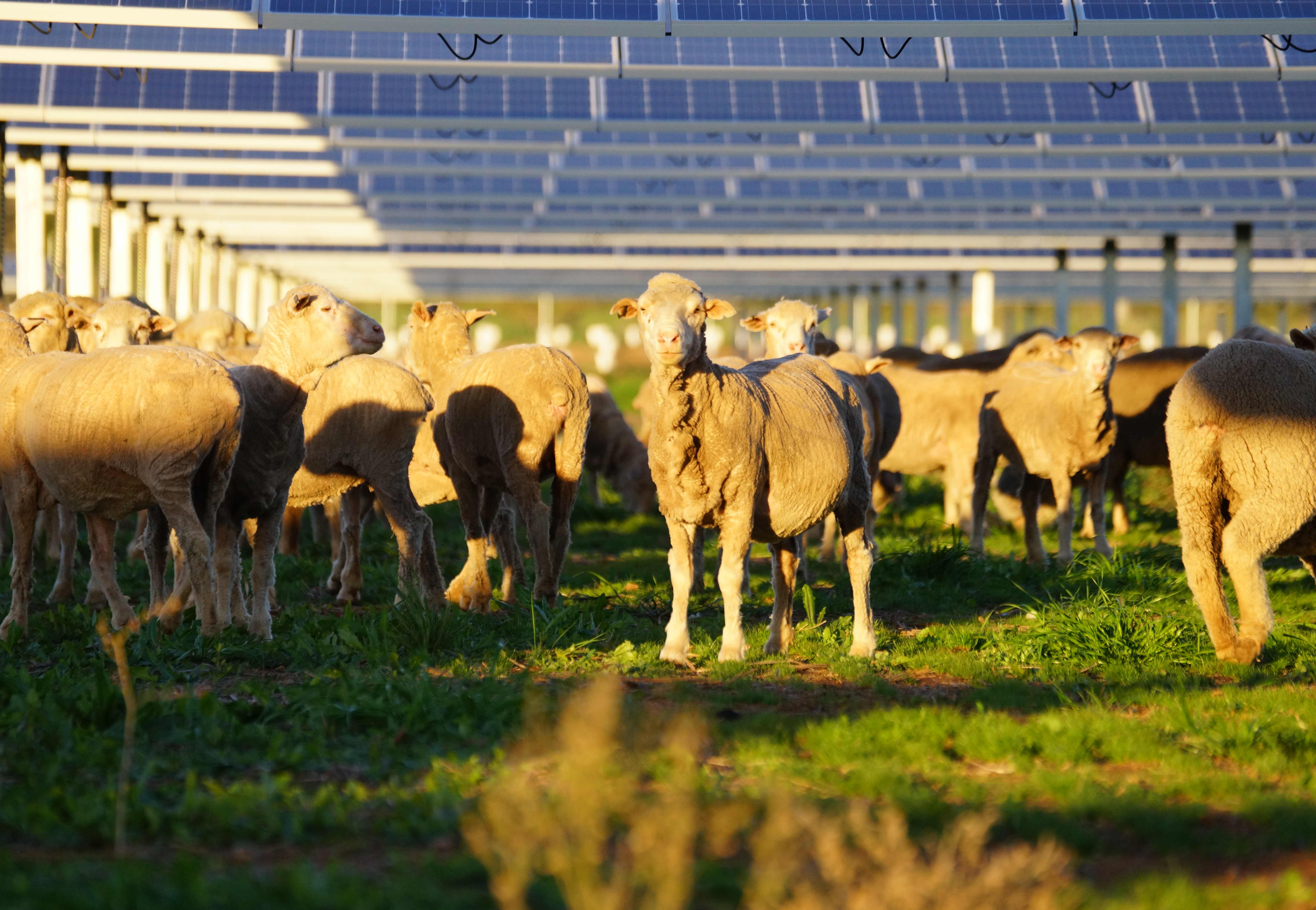
Installing fire detection and suppression systems, regular maintenance, and visual inspections can significantly reduce the risk of firesi. Putting solar panels on farms with livestock to eat the grass is also a great way to manage vegetation, reducing fire risk and maintenance costs1.
Wind farms
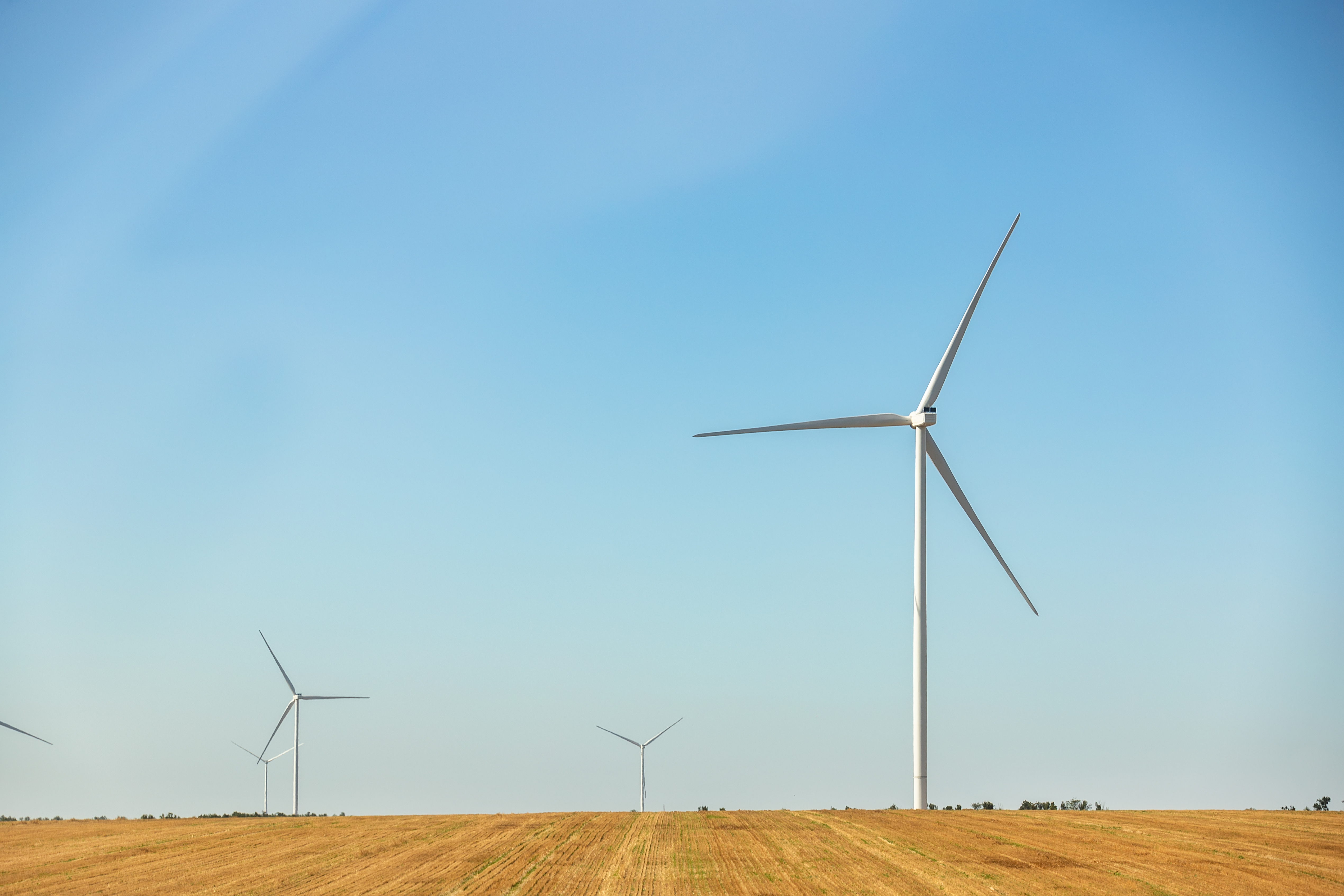
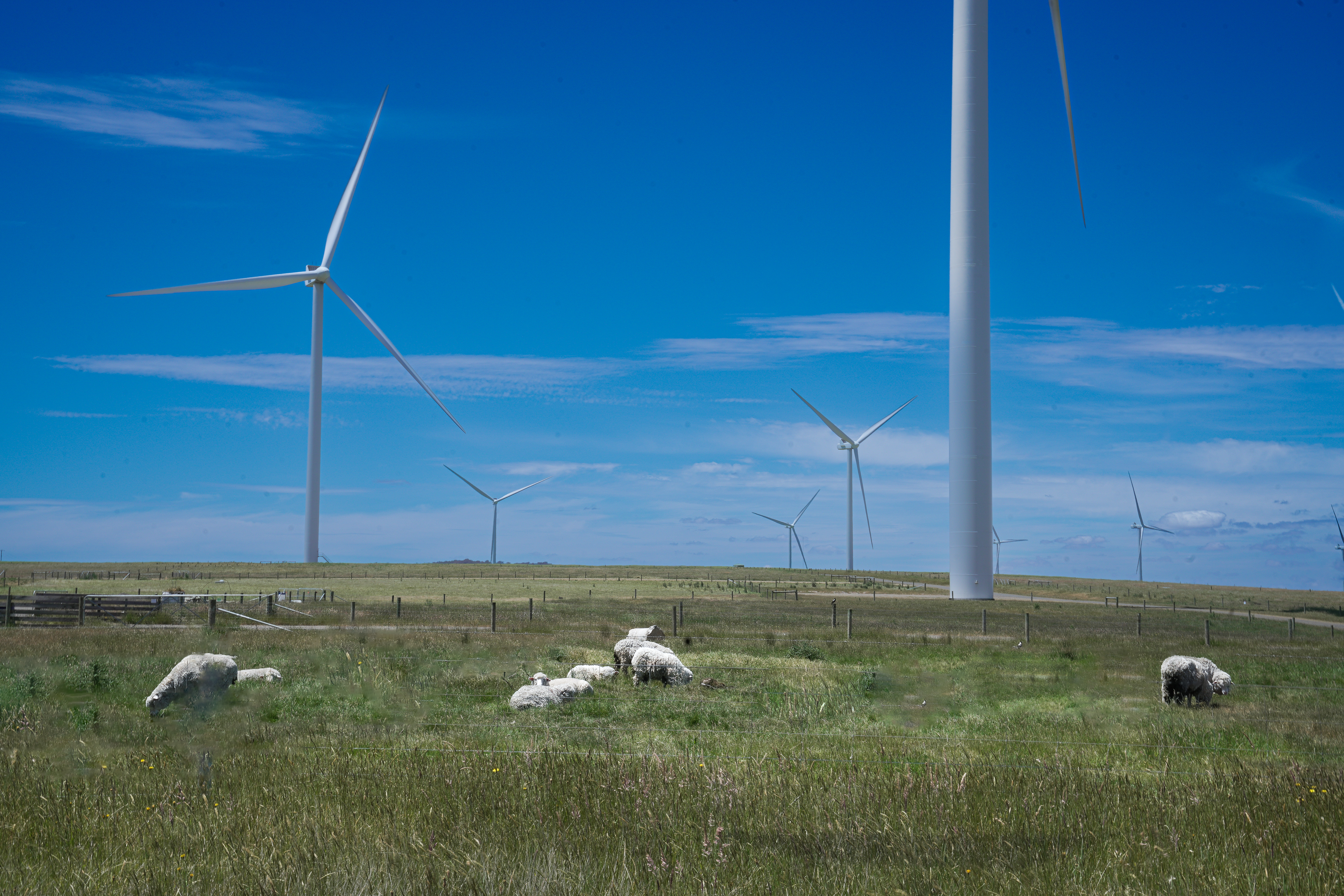
In Australia and around the world, fires at wind farms are very uncommoniii. Wind farms can catch fire because of:
- lightning strikes
- electrical malfunctions
- mechanical malfunctions
- poor maintenance.

Figure 1 Global Wind Turbine Accident Statistics from 2000-March 2023, from “Fire risk assessments and fire protection measures for wind turbines: A Review, You et al., 2023
If a turbine does catch fire, it usually burns out on its own, with an exclusion zone established at its base, because it’s often too high for fire crews to reach. Good communication between wind farm operators and emergency services is key to managing these situations safelyiv.
Batteries
Large-scale batteries play a crucial role in our energy transition and grid stability but come with some risks. While the potential for fire exists in large-scale battery storage projects, it is still a rare occurrencev.
In Australia, there have been two fires at large-scale battery storage facilities – the Victorian ‘big battery’ fire in August 2021vi and the Bouldercombe Battery Project fire in Queensland in September 2023vii.
One of the biggest concerns is the risk of ‘thermal runaway’ – a chain reaction in which overheating leads to battery failure and potential fireviii. This can happen due to:
- overcharging
- physical damage
- electrical faults
- external heat sources
- environmental factors.
Liquid cooling inside the battery modules are often used to prevent thermal runaway.
There is also a small risk of contained explosions if:
- multiple battery cells rapidly overheat
- gas builds up inside the battery enclosure
- modules are handled or installed incorrectly.
Safety technology is improving—things like better cooling systems, early-warning systems, and safer battery designs (like lithium iron phosphate batteries) are helping reduce risksix. There are strict safety rules in Australia that ensure battery projects are managed safelyx.
Energy companies often go beyond the minimum safety requirements and provide several layers of fire prevention for large-scale batteries, for example:
- Active air-conditioning units inside batteries to keep the batteries and their housings cool.
- Passive chemical fire-fighting systems installed that would activate for any internal fire.
- Fire alarms on individual units and systems to prevent fire from spreading from one battery cube to another.
- Water rings that, when activated, create a wall of water around the battery to ensure a fire doesn’t spread beyond the site.
Transmission lines
Finally, the power lines that distribute renewable energy must also be maintained to prevent fires. Companies like Transgrid conduct annual bushfire prevention work, such as clearing nearby vegetation and limiting activities or installations that could increase risk, such as nearby recreation or storage, and surrounding earthed metal fencesxi. Many companies work closely with the local fire authorities to get additional training for staff in bushfire safety and reduce work that has an increased fire risk during high fire danger days.
Further, firefighters are trained and experienced in fighting fires near transmission lines and advise authorities when new infrastructure is planned to ensure safety and fire hazards are consideredxii. State-based emergency services, such as the Rural Fire Service Queensland (RFSQ) and the Victorian Country Fire Authority (CFA) play a pivotal role collaborating with renewable energy developers and regulatory authorities to ensure that clean energy facilities are designed and operated with optimal safety measures.
Conclusion
All parts of our electricity network, from generation and storage to transmission lines, down to the heater in your home all, have some fire risk.
But fires at renewable energy facilities are rare.
Fire risk for renewable energy generation and storage can be effectively managed through planning, installation, and maintenance. Companies that own these electrical assets often take additional precautions to ensure that they minimise the fire risk and safety risks for their staff and local communities.
References
i – Firetrace. (2023). What happens when a solar farm catches on fire? URL: https://www.firetrace.com/fire-protection-blog/what-happens-when-a-solar-farm-catches-on-fire?hsCtaTracking=172b03d5-821f-4f20-af41-afab58f2f023%7Cf5b7fe3a-4c9e-4ab4-b4e1-bb26b5a9ce18
ii – Firetrace. (2023). What happens when a solar farm catches on fire? URL: https://www.firetrace.com/fire-protection-blog/what-happens-when-a-solar-farm-catches-on-fire?hsCtaTracking=172b03d5-821f-4f20-af41-afab58f2f023%7Cf5b7fe3a-4c9e-4ab4-b4e1-bb26b5a9ce18
iii – ABC News. (2024). Wind turbine fire concerns raised as experts warn of risks and dangers. URL: https://www.abc.net.au/news/2024-02-12/wind-turbine-fire-concerns-risks-danger/103443918
iv – Utility Dive. (2024). Moss Landing fire raises questions for the battery storage industry amid lithium concerns. URL: https://www.utilitydive.com/news/moss-landing-fire-battery-storage-industry-lithium/741283/
v – ABC News. (2021). Investigation underway into fire at Tesla’s giant battery project near Geelong. URL: https://www.abc.net.au/news/2021-09-28/fire-at-tesla-giant-battery-project-near-geelong-investigation/100496688
vi – ABC News. (2023). Fire at large-scale battery storage site in Bouldercombe sparks investigation. URL: https://www.abc.net.au/news/2023-09-28/fire-large-scale-battery-storage-sites-bouldercombe-ev/102907664
vii Lavin, Kyeremeh, Nemeh, Beyerle, Alkire. (2024) Causes and Prevention of Thermal Runaway in Lithium-Ion Batteries – a US Utility Perspective. Power and Energy Institute of Kentucky. URL: https://uknowledge.uky.edu/cgi/viewcontent.cgi?article=1100&context=peik_facpub
viii KPBS. (2024). Are lithium-ion batteries a big fire risk? Depends what you compare them to. URL: https://www.kpbs.org/news/public-safety/2024/07/05/are-lithium-ion-batteries-a-big-fire-risk-depends-what-you-compare-them-to
ix – Battery Safety Guide. (n.d.). Battery safety guide. URL: https://batterysafetyguide.wordpress.com/
x – Transgrid (2024). Managing bushfire risk. URL: managing-bushire-factsheet.pdf [1] Country Fire Authority (CFA). (2025) Renewable energy fire safety. URL: https://www.cfa.vic.gov.au/plan-prepare/building-planning-regulations/renewable-energy-fire-safety